English to Italian technical translation of a user manual illustrating cable routing for a road bike.
What is technical translation?💆♀️
The term says it all, but let's take a closer look. Technical translation isn't about style. It's about clarity, precision and usability. A manual needs to get. To. The. Point. And make every information crystal clear for the user. That’s why the translator has to fully understand how something works, because if the translation isn’t accurate, things can go wrong.
What can go wrong?
Here's a prime example of what can go wrong:
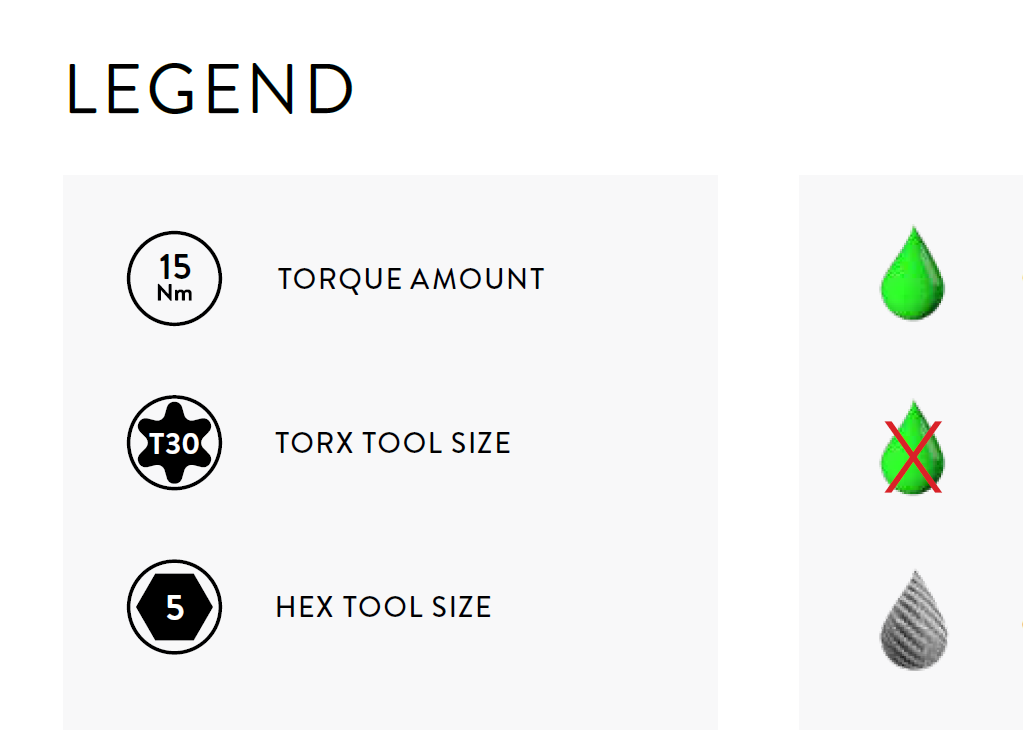
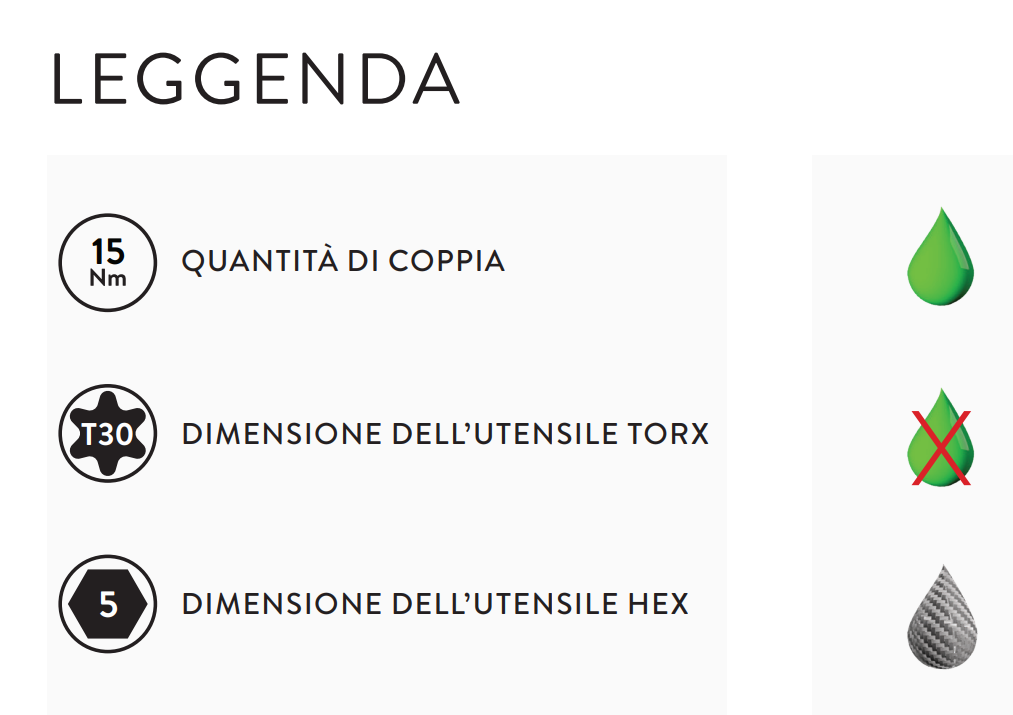
Hey you, Italian readers, did you spot it👀?
legend > leggenda
Well... what a legend😅 Probably most people wouldn't even notice, or they'd just laugh, like I did. Severity: minor. Moving on to more serious issues.
torque amount > quantità di coppia:
The good news? Most riders would still understand what that is. But the correct industry term actually is "coppia di serraggio". Severity: moderate.
Hex tool size > Dimensione dell'utensile Hex
The translated term is awkward and not idiomatic. The proper terms would be "chiave esagonale" or "chiave a brugola" are the correct terms. Sure, anyone can search it up these days, but after you've spent a fortune on a bike, wouldn't it be nice if the manual sounded just as high-end? Wouldn't this make the brand look better, more trustworthy?
The bottom line: technical translation needs to be accurate, because these tiny things add up until you're left with a big mess.
How to make it right: challenges and solutions
The main goal for this project was to provide clear instructions for cable routing on a road bike. Let's take a look at what were the main challenges I had to face and the strategies I used to solve them.
1. It's all about clarity
In technical translation, you should leave nothing to chance. That involves making small adjustments, if necessary, that help the reader grasp the meaning. It's called microadaptation, if you fancy the industry term.
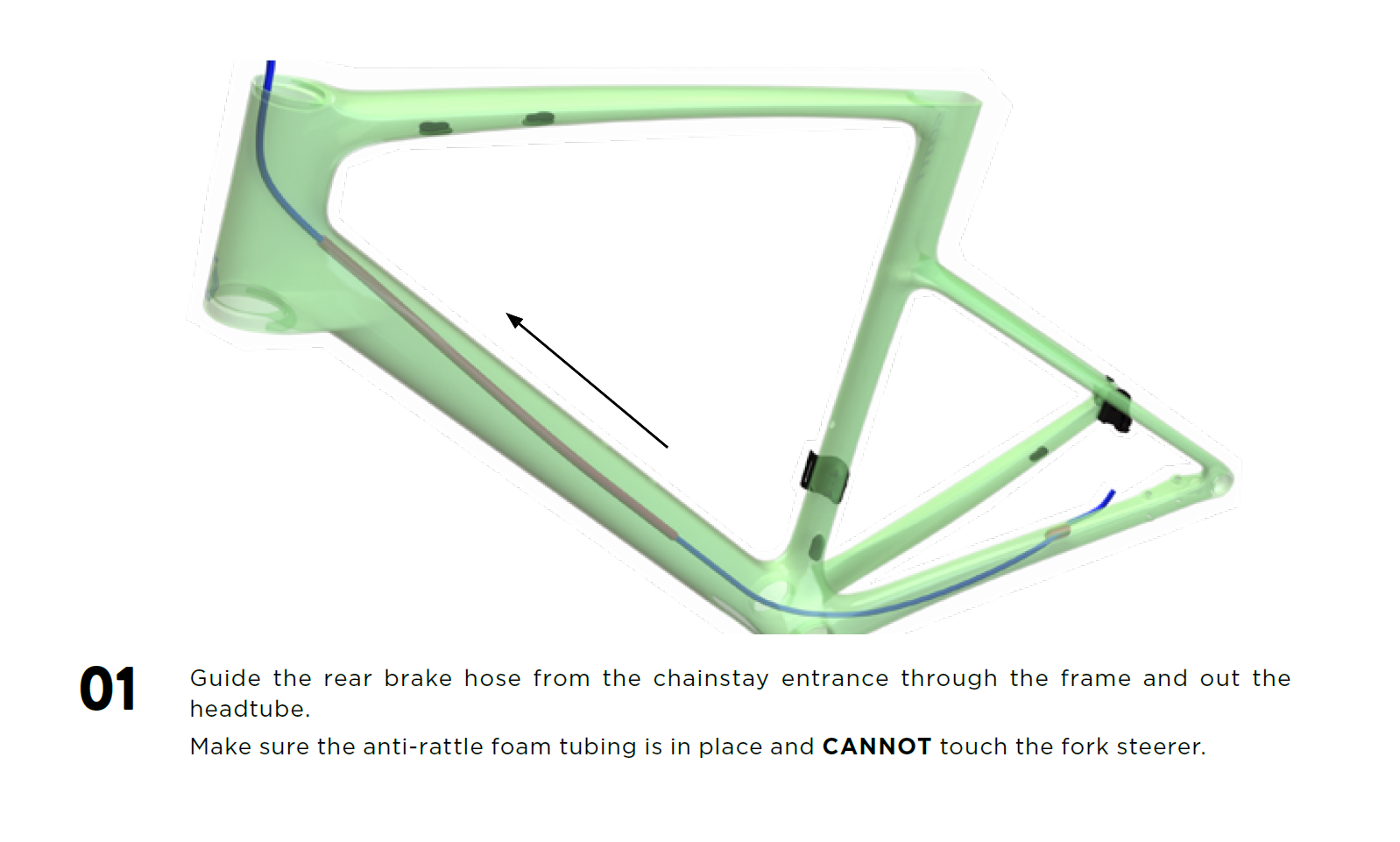
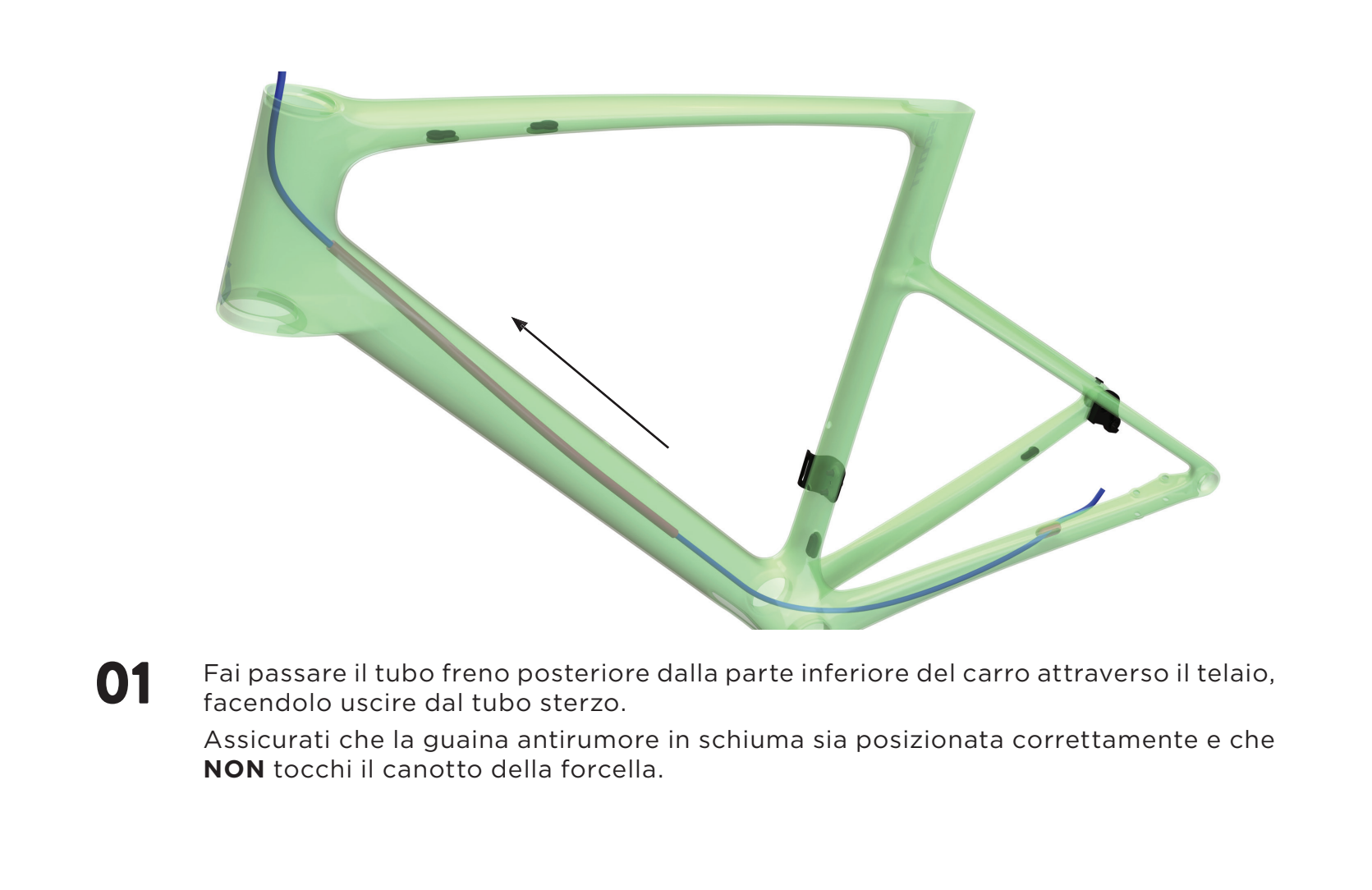
In this example, the Italian version adds "facendolo uscire da" to make the sequence of actions more explicit, preventing ambiguity about where the hose exits the frame. Because again, it's not about just translating words, it's about explaining something so that the target user can easily get it.
2. From really understanding to explaining
How do you give instructions about something you don't understand? You don't. You better not. In the following example, something was missing (not just grammatically speaking):
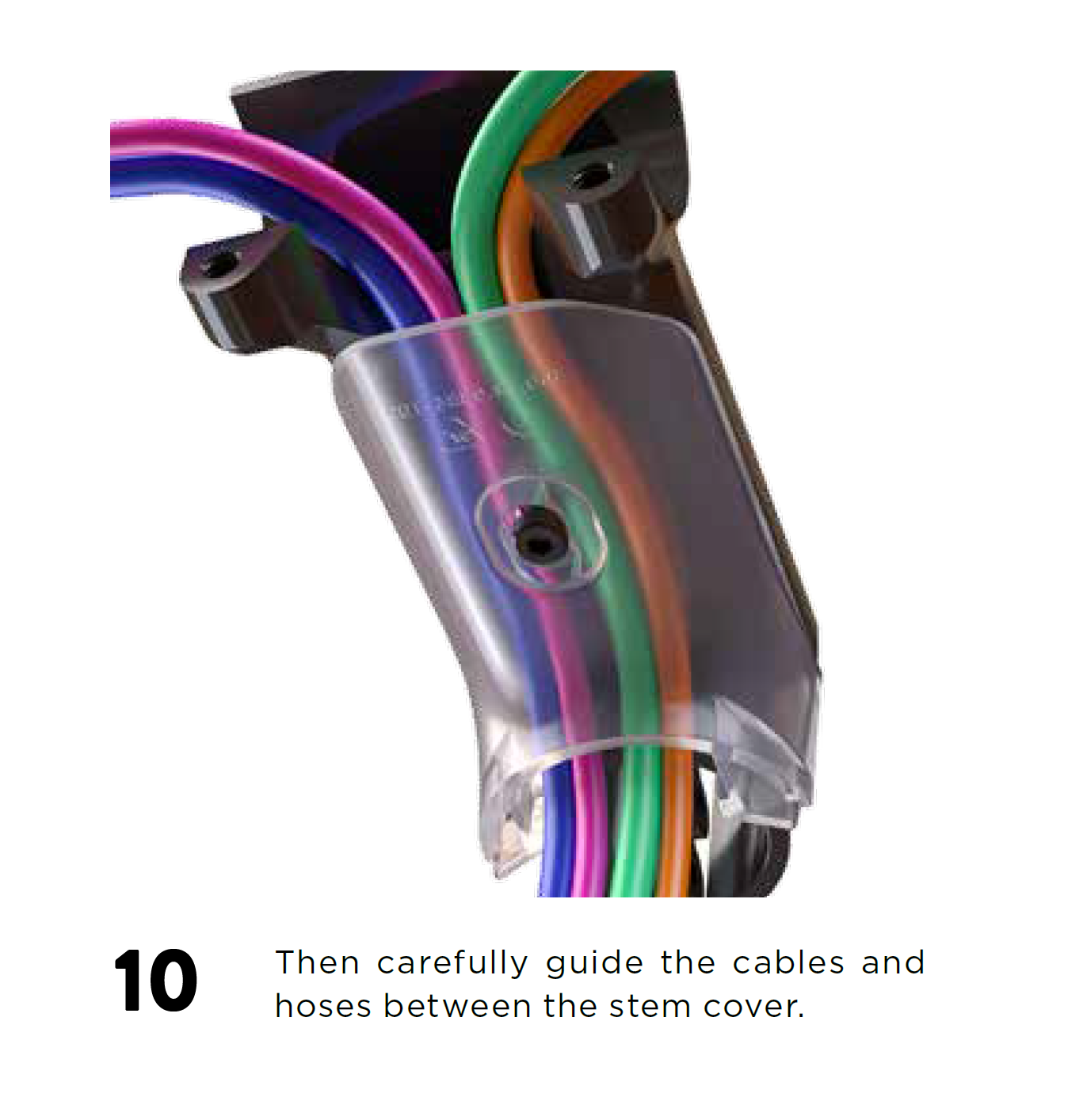
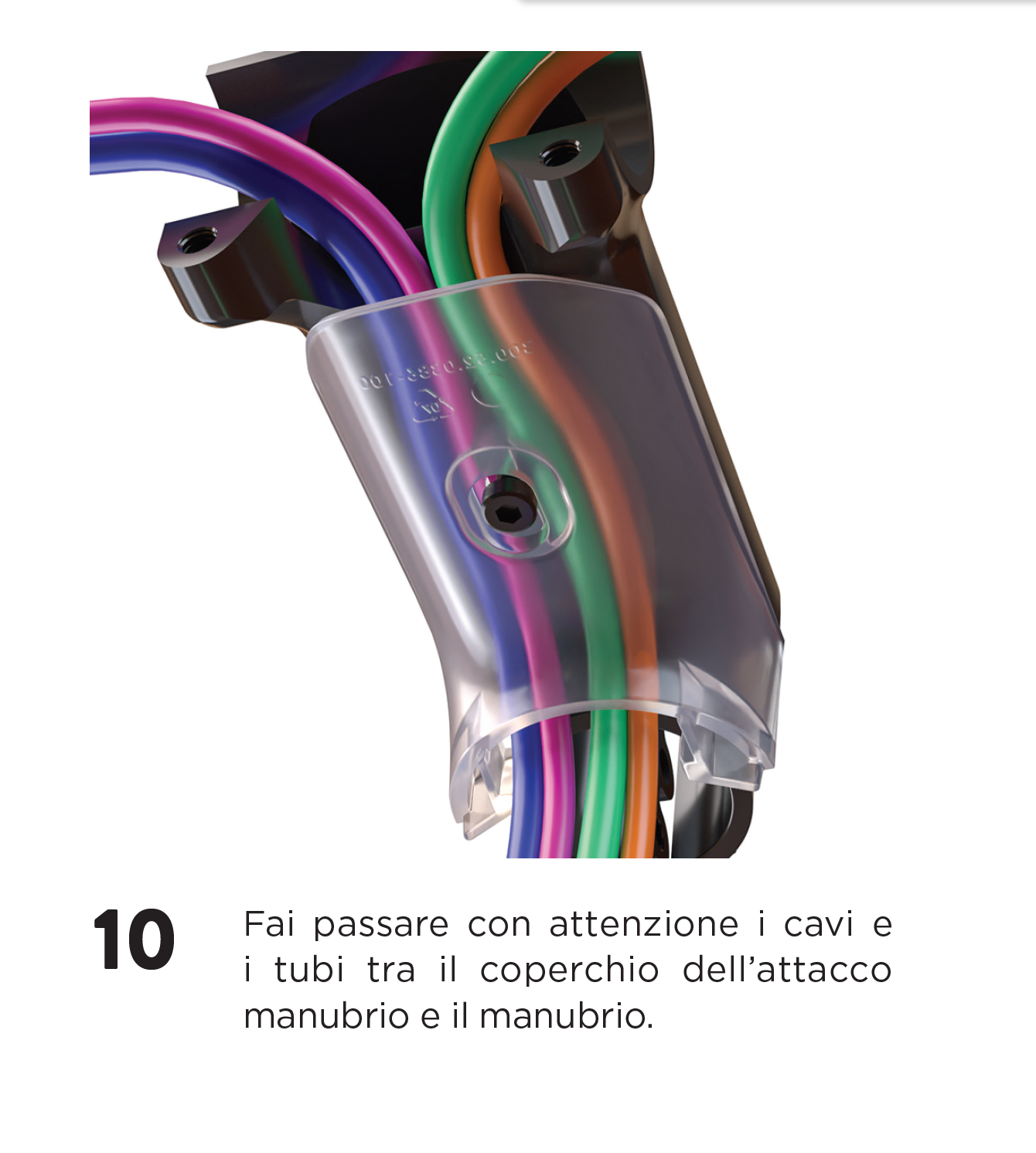
Between the stem cover… and what?
After the client was informed about the error in the original text, the translation was completed with the missing part. The point is, if you don't understand it, whether grammatically or technically, you might miss it. The result? The user ends up in that familiar Ikea moment halfway through the process, staring at the manual and wondering what went wrong.
3. Expertise, sensitivity & care
To perform technical translation, being a translation professional is not enough. You also need to know all the "techy" stuff (bikes, in this case), inside and out.
Firstly, you need to use the language people actually use in that specific industry. Why translating "Hex tool" as "utensile hex" 🤬 (almost sounds like a swearing), if you can use the correct terminology, that everyone can relate to in that specific niche? "Chiave esagonale" is not just the correct term. You can be the coolest brand on the market, but if you chicken-translate a user manual for one of your exxxxxpensive cool bikes, you lose credibility. This is true for most content you might have to translate. Providing your customers with quality content shows them you care.
Then, your expertise comes in. It's always a good thing to try not to offend anyone, but translation teaches you it is much easier than it looks.
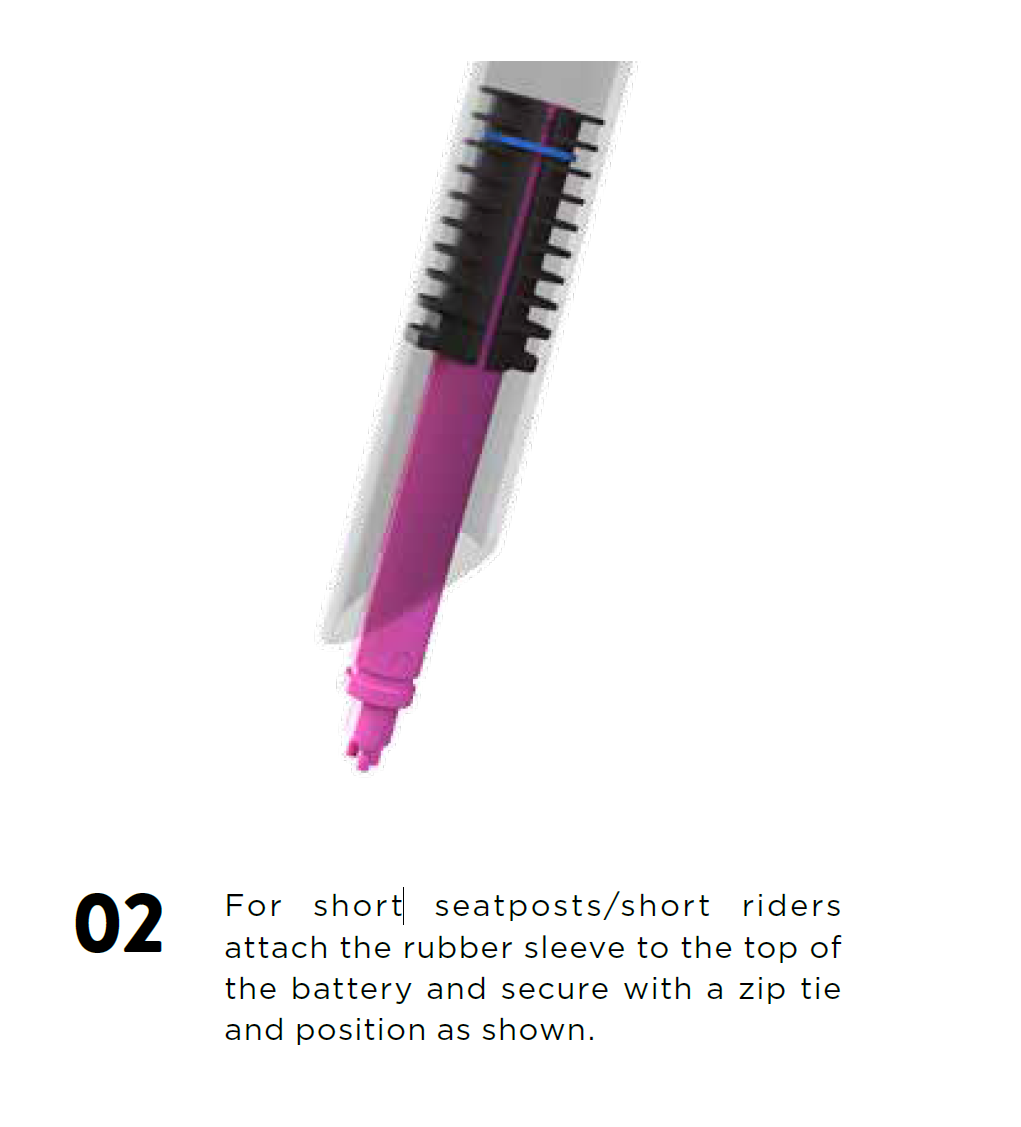
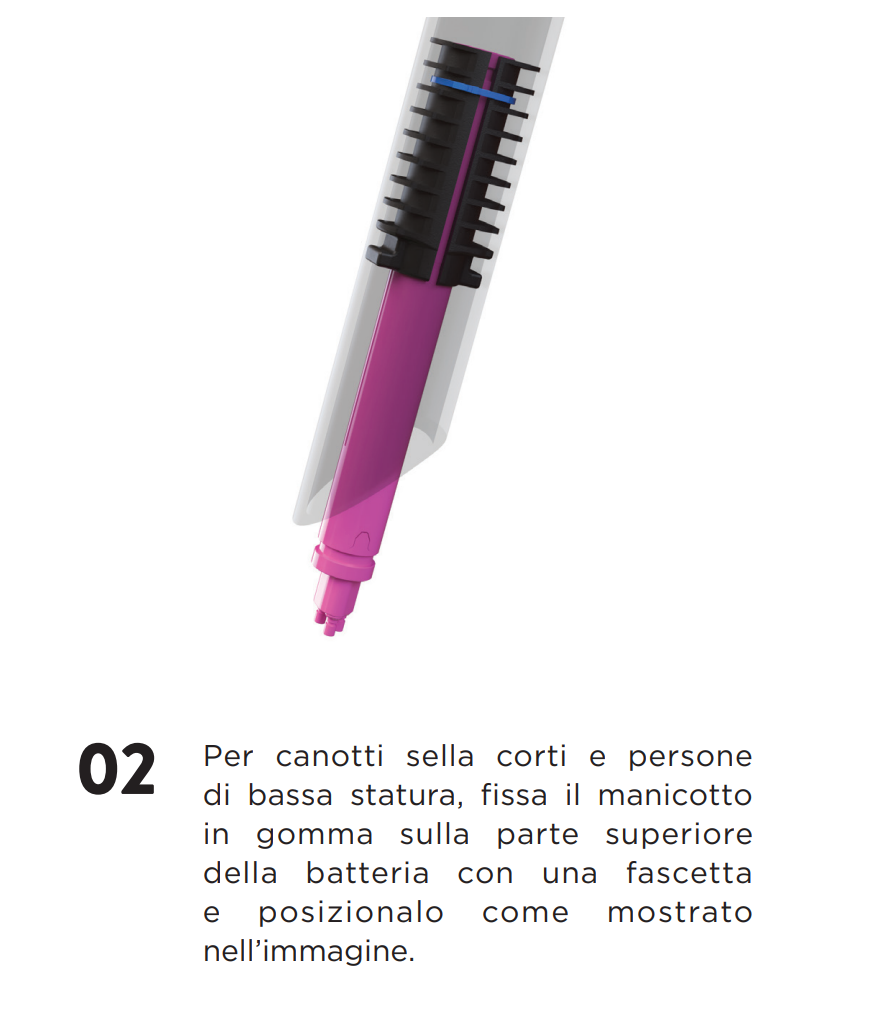
The problem here is "short riders". A direct translation will likely not be inclusive: talking about "ciclisti" and "persone basse" doesn't sound nice. "Persone di bassa statura" effectively bypasses the inclusivity problem, avoiding gendered language like "ciclisti" and keeping the instructions neutral, descriptive and non-judgemental. This is because it focuses on the technical condition (rider height) rather than a personal feature.
4. Making everyone happy
This is a golden rule for any area of translation: making sure the tone is aligned with what the client wants. Brand books, tone of voice, project-specific briefs and so on are there for a reason. So when the client asks to address readers in the second person singular (imperative), you do so.
However, in Italian user manuals the infinitive form is more common, as it sounds more neutral and focusses on the action itself. This is why, in this case, I recommended the client to consider switching to the infinitive in future projects, to ensure consistency with standard industry style. Providing linguistic guidance is an important part of a translator's role, after all. And customer is king👑


